Call us now :07313725949
 Send Inquiry
 Send Inquiry
VSP And VHD Appartus
MOQ : 1 Unit
VSP And VHD Appartus Specification
- Temperature
- 15C - 40C
- Number of Specimens
- Up to 5
- Resolution
- 0.1 N
- Frequency
- 50 Hz
- Usage
- Laboratory & Industrial
- Operate Method
- Semi-Automatic
- Gas Pressure
- 0.6 MPa
- Port Size
- 12 mm
- Accuracy
- 1%
- Max Height
- 60 cm
- Operating Voltage
- As per required
- Specimen Size
- 50 mm x 50 mm
- Test Range
- 0 - 1000 N
- Product Type
- VHD Appartus
- Application
- Laboratory & Industrial
- Features
- Semi-Automatic, Electric operation, Digital display, High precision measurement
- Voltage
- As per required Volt (v)
- Interface Type
- HDMI/USB
- Response Time
- 1 second
- Power Supply
- Electric
- Measuring Range
- 0 - 1000 N
- Automation Grade
- Semi-Automatic
- Humidity
- 45% - 85% RH
- Mounting Type
- Bench-top
- Display Type
- Digital
- Hardness
- 30 - 90 Shore
- Capacity
- 1000 N
- Machine Weight
- 32 kg
- Test Speed
- 50 mm/min
- Test Width
- 100 mm
- Test Stroke
- 0-25 mm
- Control Mode
- Manual / Semi-Automatic
- Material
- Stainless Steel & Powder Coated Components
- Equipment Type
- VSP & VHD Testing Apparatus
- Ambient Conditions
- Non-corrosive environment
- Compliance
- IS & ASTM Standards
- Safety Features
- Overload Protection, Emergency Stop Button
- Heating System
- Integrated (if required for testing)
- Data Output
- Digital & Manual logging
- Power Consumption
- 80W
- Calibration
- Factory calibrated with certificate
- Packaging Type
- Export Worthy Packing Box
VSP And VHD Appartus Trade Information
- Minimum Order Quantity
- 1 Unit
- Payment Terms
- Cash Advance (CA), Cash in Advance (CID), Letter of Credit at Sight (Sight L/C), Telegraphic Transfer (T/T), Letter of Credit (L/C)
- Supply Ability
- 2 Units Per Month
- Delivery Time
- 6 Week
- Main Export Market(s)
- Asia, Australia, Central America, North America, South America, Eastern Europe, Western Europe, Middle East, Africa
- Main Domestic Market
- All India
About VSP And VHD Appartus
Standards: ASTM, ISO, IS
The Vicat softening point (VSP) is a measure of the temperature at which a plastic material softens and begins to deform under a specified load. It is a common test used in plastic testing laboratories to evaluate the heat resistance of plastic materials.
Reliable and Safe Material Testing
The VSP & VHD Testing Apparatus prioritizes both accuracy and operator safety. With robust overload protection and emergency stop features, users can perform testing procedures in accordance with IS & ASTM standards. Its stainless steel construction and powder-coated finish enhance durability, while export-worthy packing ensures secure transport.
Advanced Measurement Capabilities
Designed for precision, this apparatus delivers measurements with 1%% accuracy and a resolution of 0.1 N, displayed digitally for clear readability. It accommodates multiple specimens of 50 mm x 50 mm, supporting test speeds up to 50 mm/min and a capacity of 1000 Nideal for diverse laboratory and industrial applications.
Seamless Operation and Data Management
The machine is semi-automatic, enabling both manual and automated control. Data output can be logged digitally or manually, with options for HDMI and USB connectivity. Its factory calibration certificate ensures confidence in every test, while user-friendly controls simplify operation for laboratory staff and technicians alike.
FAQs of VSP And VHD Appartus:
Q: How does the VSP & VHD Testing Apparatus ensure testing safety?
A: The apparatus includes built-in overload protection and an emergency stop button, minimizing risks during operation. All components comply with IS & ASTM safety standards, and operation is optimized for non-corrosive environments.Q: What materials and specimen sizes can the equipment test?
A: It accommodates up to five specimens, each measuring 50 mm x 50 mm, with a measuring range of 01000 N. The robust design is suitable for testing a variety of materials commonly found in laboratory and industrial settings.Q: When is calibration required for the apparatus?
A: Every unit is factory calibrated and provided with an official calibration certificate. Re-calibration is generally recommended at regular intervals as per laboratory standards, or after extensive use, to maintain measurement accuracy.Q: Where can this testing machine be installed?
A: With its bench-top mounting type and compact design (max height 60 cm, machine weight 32 kg), it fits well into laboratories, quality control rooms, and industrial testing environments provided the ambient conditions are non-corrosive.Q: What is the process for capturing and managing test data?
A: Data can be logged digitally via the integrated digital display and interface ports (HDMI/USB), or manually. Operators can select manual or semi-automatic modes, ensuring flexibility in data management.Q: How is the apparatus operated and what are its power requirements?
A: It operates semi-automatically using electric power, requiring voltage as specified (compatible with different voltages globally) and consumes only 80W. Controls are intuitive, allowing both manual and semi-automatic adjustments.Q: What are the primary benefits of using this apparatus?
A: The equipment delivers high precision, rapid response (1 second), and conforms to international standards. Durable build and export-grade packaging make it suitable for both domestic and international use.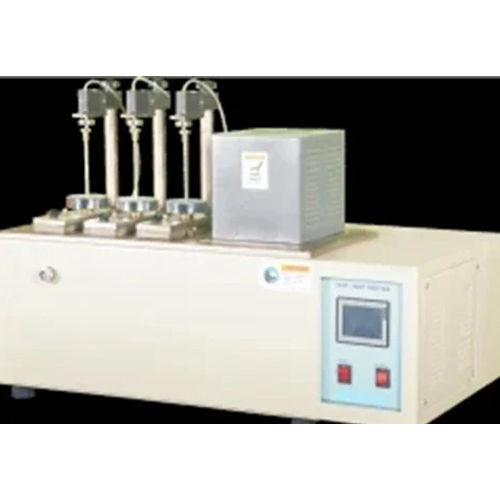
Tell us about your requirement

Price:
Quantity
Select Unit
- 50
- 100
- 200
- 250
- 500
- 1000+
Additional detail
Mobile number
Email

More Products in Rubber And Plastic Testing Equipment Category
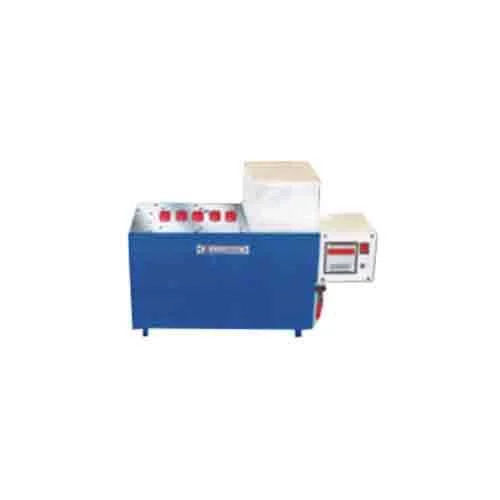
Environmental Stress Cracking Resistance Apparatus Testers
Price Range 50000.00 - 500000.00 INR / Unit
Minimum Order Quantity : 1 Unit
Operate Method : SemiAutomatic
Gas Pressure : 0.10.5 MPa
Test Speed : Adjustable up to 50 mm/min
Port Size : Standard 1/4 inch
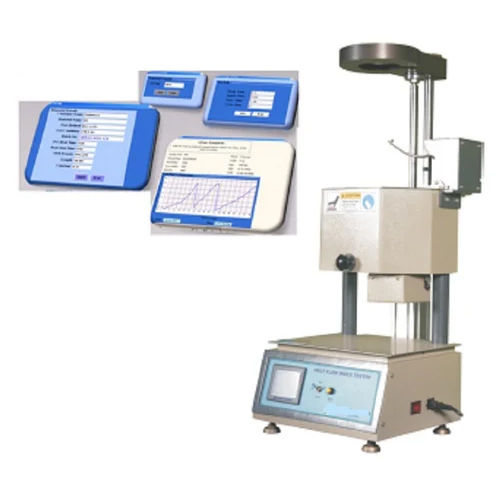
Melt Flow Index Tester
Price Range 50000.00 - 500000.00 INR / Unit
Minimum Order Quantity : 1 Unit
Operate Method : SemiAutomatic
Gas Pressure : Not Applicable (Gravity Operation)
Test Speed : Adjustable (according to material standards)
Port Size : Standard (as per melt flow tester design)
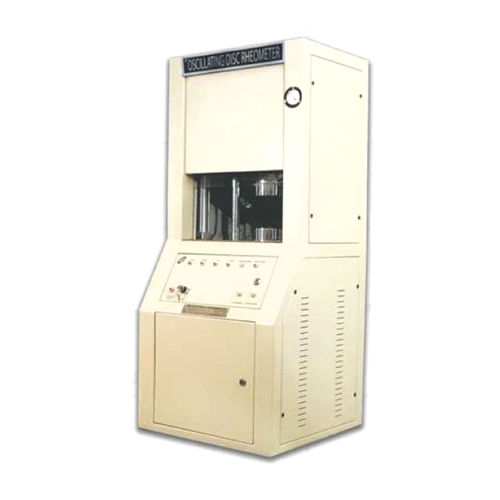
Oscillating Disc Rheometer
Price Range 100000.00 - 300000.00 INR / Unit
Minimum Order Quantity : 1 Unit

 Send Inquiry
Our Products
- Testing Machines
- Metallography Machines
- Mooney Viscometer
- Metallurgical Microscope
- Metallography Kit
- Garnet Sand
- Heat Treatment Furnace
- Submersible Agitator
- Escr Apparatus
- Oscillating Disc Rheometer
- Universal Testing Machines
- Hardness Testing Machine
- Rubber And Plastic Testing Equipment
- Laboratory Equipments
- Impact Testing Machine
- Moving Die Rheometer
- Coating Thickness Gauge
- Hot Air Oven
- Industrial Agitator
- Industrial Furnace
- Cast Iron Mould
- Hardenability Set Up
- Digital Brinell Microscope
- Humidity Chamber
- Grinding Polishing Machine
- Rebar Detection Meter
- Industrial Moulds


No Flat No. 4, Vidiansu Villa, Plot No. 73, Sangam Nagar Society, Pune Satara Road, Pune - 411037, Maharashtra, India

Mr Mahesh Deshpande
(Director)
Mobile :07313725949
 Send Inquiry
 Send SMS
Developed and Managed by Infocom Network Private Limited.
